CarX Street APK Drift Guide: Master Every Corner Like a Pro
Drifting is one of the most exciting skills in CarX Street APK. The game’s realistic physics engine allows players to perform smooth, controlled drifts that feel rewarding and challenging at the same time. CarX Street itself encourages players to choose between top-speed racing and drifting through corners, making drifting a core part of the experience.
Many beginners struggle with drifting because they focus only on speed. In reality, successful drifting requires proper car setup, throttle control, and an understanding of vehicle balance.
What Is Drifting in CarX Street?
Drifting is a driving technique where the rear tires lose traction while the driver maintains control through a corner. The goal is to slide smoothly while keeping the car pointed in the intended direction.
In CarX Street, drifting is not only fun but also an important skill for drift events, club challenges, and earning rewards.
Why Learn Drifting?
Drifting improves overall vehicle control. Players who understand drifting often become better racers as well.
It also unlocks additional gameplay opportunities. Many events specifically reward drift performance.
Benefits of Drifting
| Benefit | Advantage |
|---|---|
| Better Car Control | Improved handling skills |
| Drift Events | Additional rewards |
| Club Progression | More opportunities |
| Multiplayer Fun | Competitive drifting |
| Style Points | Higher drift scores |
| Vehicle Mastery | Better driving confidence |
Info Box
The best drifters focus on control and consistency rather than aggressive steering inputs. Smooth movements create longer and more stable drifts.
Choosing the Right Drift Car
Not every vehicle is ideal for drifting. Some cars naturally handle slides better because of their weight distribution and drivetrain setup.
Choosing the right platform makes learning much easier.
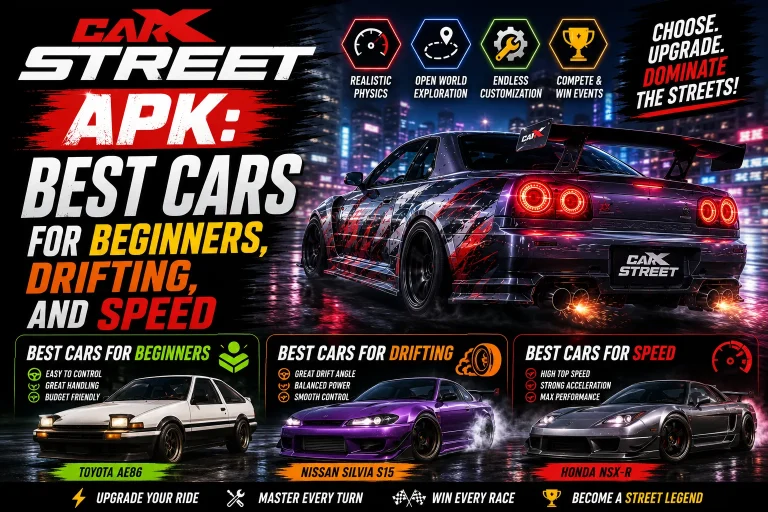
Best Beginner Drift Cars
Cars with balanced handling and predictable power delivery are ideal for new players.
Popular beginner choices include:
- M92
- R34
- M36
- S13-style builds
These vehicles provide good control while remaining forgiving during mistakes. Community discussions often recommend lightweight rear-wheel-drive cars for learning drift fundamentals.
Rear-Wheel Drive Is Important
Rear-wheel-drive vehicles are generally preferred for drifting because power is delivered to the rear tires.
This makes it easier to break traction and maintain controlled slides. Most dedicated drift builds use rear-wheel drive setups.
Understanding Drift Controls
Before attempting advanced techniques, players should become comfortable with basic controls.
Drifting begins with smooth inputs rather than aggressive movements.
Steering Control
Steering should remain controlled throughout the drift. Sudden steering corrections often destabilize the vehicle.
Smooth counter-steering helps maintain balance. Practice improves consistency.
Throttle Control
Throttle management is one of the most important drifting skills.
Too much throttle causes spins. Too little throttle causes the drift to end prematurely.
Brake Usage
Braking before entering a corner helps prepare the vehicle for a controlled drift.
Many beginners break too late. Early preparation produces better results.
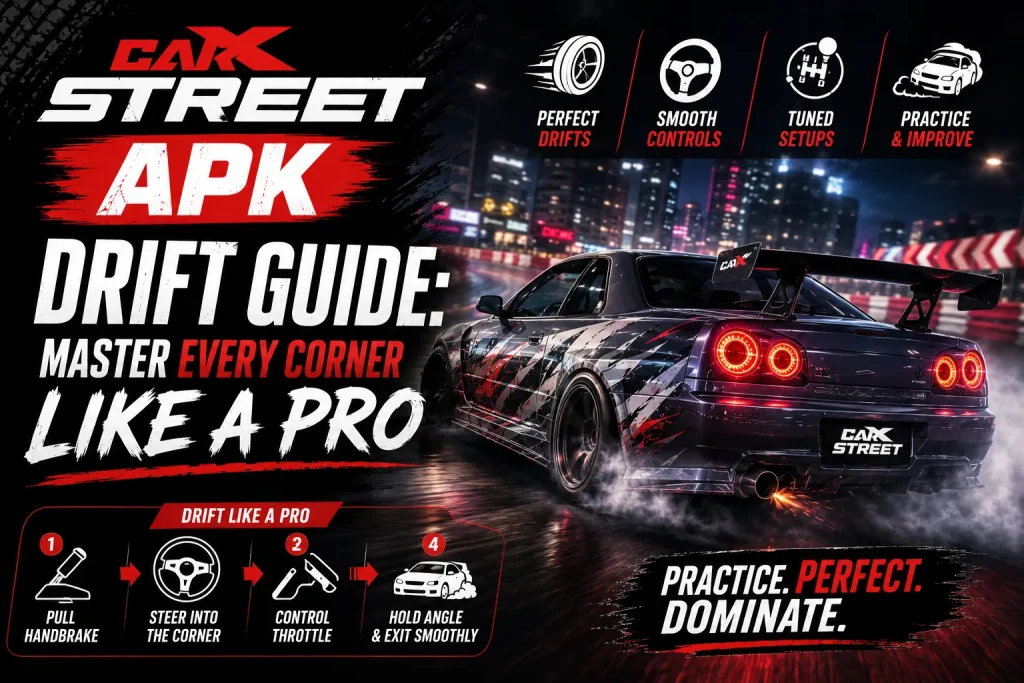
How to Start a Drift
Successful drifts begin before the corner. Proper setup is essential.
The entry phase determines the quality of the entire drift.
Step 1: Approach the Corner
Enter the corner at an appropriate speed. Excessive speed often causes loss of control.
Controlled entries create smoother transitions. Balance matters.
Step 2: Initiate Oversteer
Use steering input combined with throttle to break rear traction.
The goal is controlled oversteer rather than complete loss of control. Drifting fundamentally relies on maintaining control oversteer through the turn.
Step 3: Counter-Steer
Once the rear begins sliding, counter-steer in the opposite direction.
Counter-steering stabilizes the vehicle. Proper timing is essential.
Step 4: Maintain the Slide
Use throttle adjustments to control drift angle and duration.
Small corrections produce the best results. Smoothness is critical.
Mastering Drift Transitions
Advanced drifting involves transitioning between corners smoothly.
This skill separates experienced drifters from beginners.
Link Multiple Corners
Connecting drifts creates higher scores and smoother runs.
Transitions should feel natural. Abrupt movements reduce stability.
Maintain Momentum
Momentum is essential for long drift chains.
Avoid excessive braking between corners. Smooth weight transfer improves flow.
Drift Tuning Basics
Vehicle tuning dramatically affects drift performance. Community guides consistently emphasize tuning as one of the most important parts of drifting.
Even a great car can drift poorly without proper adjustments.
Disable Traction Control
Many experienced players recommend turning off traction control when building a drift car. Traction control can interfere with controlled wheelspin.
Removing electronic assistance allows better drift initiation.
Differential Setup
A locked or welded differential is commonly recommended for drift builds because it helps maintain rear-wheel traction consistently.
Differential tuning plays a major role in drift stability.
Steering Angle
Increasing the steering angle helps maintain larger drift angles.
Community tuning advice frequently recommends maximizing steering angle for dedicated drift setups.
Tire Selection
Lower-grip tires often make drifting easier for beginners. Some players specifically recommend street tires when learning drift setups.
Learning control is often easier with reduced grip.
Suspension Tuning for Drifting
Suspension settings influence how the vehicle transfers weight.
Proper tuning improves predictability.
Rear Suspension
A stiffer rear setup can help initiate drifts more easily.
Several community tuning discussions recommend increasing rear stiffness for better drift behavior.
Camber Settings
Negative camber is commonly used in drift setups. Community recommendations often favor increased negative camber for improved drift control.
Small adjustments can produce noticeable improvements.
Ride Height
Lower ride heights improve stability during transitions.
Balanced setups generally perform better than extreme configurations.
Common Drift Mistakes
Most beginners make similar mistakes while learning.
Recognizing these issues helps accelerate improvement.
Entering Corners Too Fast
Speed alone does not create good drifts. Excessive entry speed often results in crashes.
Controlled entries improve consistency.
Overcorrecting
Large steering corrections frequently cause spins.
Small adjustments are more effective. Precision matters.
Ignoring Tuning
Many players focus only on driving technique while neglecting setup changes.
Proper tuning often solves major drift problems. Vehicle setup matters.
Using Too Much Throttle
Aggressive throttle inputs can overwhelm rear traction.
Smooth throttle application improves control.
Advanced Drift Techniques
Once the basics are mastered, advanced techniques become more important.
These skills improve scores and consistency.
Feint Drifting
A quick steering movement before entering a corner helps transfer weight.
This technique can make drift initiation easier. Timing is important.
Throttle Steering
Experienced drifters use throttle adjustments to control drift angle.
The accelerator becomes a steering tool. Precision improves stability.
Long Drift Chains
Connecting multiple corners without ending the drift creates impressive runs.
This technique requires excellent vehicle control. Practice is essential.
Best Practice Locations
Not every road is ideal for learning.
Certain areas provide better training opportunities.
Wide Corners
Large corners offer more room for mistakes.
Beginners should start here before attempting tighter sections.
Mountain Roads
Mountain routes often contain excellent drift sections.
These roads help develop rhythm and control.
Open Areas
Open spaces allow players to experiment without pressure.
Practice builds confidence. Repetition improves results.
Quick Drift Checklist
Before Every Drift Session
- Turn off traction control
- Use a proper drift setup
- Choose a rear-wheel-drive car
- Warm up with easy corners
- Focus on smooth steering
- Control the throttle carefully
- Practice counter-steering
- Learn weight transfer
- Tune the suspension properly
- Stay patient
Frequently Asked Questions
What Is the Best Drift Car in CarX Street?
The M92 and R34 are among the most popular choices because of their balance, control, and tuning potential.
Should I Turn Off Traction Control?
Yes. Many experienced players recommend disabling traction control when building a dedicated drift car.
Is Drifting Difficult for Beginners?
There is a learning curve, but consistent practice and proper tuning make improvement much easier.
What Is the Most Important Drift Skill?
Throttle control is one of the most important skills because it directly affects drift angle and stability.
Do I Need a Special Tune for Drifting?
Yes. Community guides consistently emphasize suspension, differential, transmission, and steering-angle tuning for effective drift builds.
Final Verdict
Drifting in CarX Street is one of the most rewarding aspects of the game. The realistic physics system creates a driving experience that rewards practice, patience, and proper vehicle setup.
By choosing the right car, learning throttle control, mastering counter-steering, and applying effective tuning adjustments, any player can dramatically improve their drifting skills. With enough practice, you’ll be able to link corners smoothly and master Sunset City’s most challenging roads like a professional drifter.
Drift Skill Rating Table
| Skill Area | Importance |
|---|---|
| Throttle Control | 10/10 |
| Counter-Steering | 10/10 |
| Drift Tuning | 9/10 |
| Corner Entry | 9/10 |
| Drift Transitions | 9/10 |
| Overall Drift Mastery | 9.5/10 |
Master these fundamentals, and you’ll quickly transform from a beginner into a confident CarX Street drift specialist.